Secrets of Meat Aging
Meat aging is a key process that transforms tough raw meat into a tender, juicy, and flavorful product. Natural enzymes break down proteins and connective tissue, improving texture and enhancing flavor.
To understand great steak, it’s important to know what happens after butchering.
What Happens to Meat
After slaughter, meat goes through several stages driven by autolysis — a natural process where the meat’s own enzymes break down proteins and connective tissue.
This leads to:
The process develops through several stages:
Fresh (pre-rigor): soft and juicy, but with a mild flavor.
Rigor mortis: meat becomes firm, and moisture retention decreases.
Aging: enzymes continue working, making the meat tender and flavorful (typically within 7–14 days).
Types of Aging
There are two main methods:
Why Wet Aging Is Preferred
Wet aging offers several advantages:
It provides consistent results and is widely used in the industry.
How We Handle Our Products
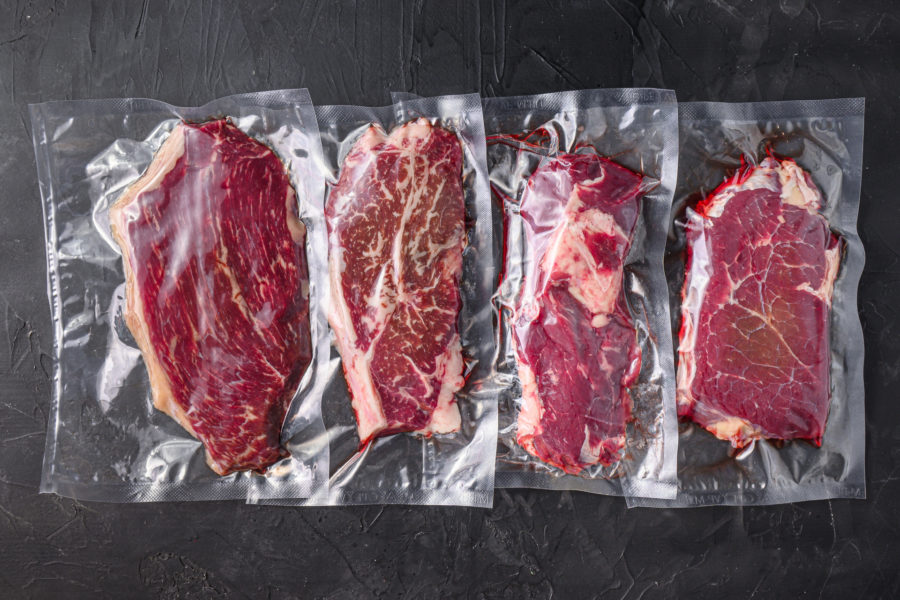
In our store, all products are vacuum-sealed.
We do not age meat ourselves — we use vacuum packaging to preserve its freshness and quality.
This helps to:
Vacuum packaging ensures the product stays fresh until cooking.
Conclusion
Meat aging is essential for quality.
Wet aging delivers the best balance of tenderness, juiciness, and consistency, while dry aging remains a niche option.
Our vacuum packaging guarantees that you receive meat in its best possible condition.
Meat aging is a key process that transforms tough raw meat into a tender, juicy, and flavorful product. Natural enzymes break down proteins and connective tissue, improving texture and enhancing flavor.
To understand great steak, it’s important to know what happens after butchering.
What Happens to Meat
After slaughter, meat goes through several stages driven by autolysis — a natural process where the meat’s own enzymes break down proteins and connective tissue.
This leads to:
- improved tenderness
- better moisture retention
- enhanced flavor
The process develops through several stages:
Fresh (pre-rigor): soft and juicy, but with a mild flavor.
Rigor mortis: meat becomes firm, and moisture retention decreases.
Aging: enzymes continue working, making the meat tender and flavorful (typically within 7–14 days).
Types of Aging
There are two main methods:
- Dry aging — meat is exposed to air, losing moisture and developing a more intense flavor.
- Wet aging — meat is vacuum-sealed, retaining moisture and aging in its own juices.
Why Wet Aging Is Preferred
Wet aging offers several advantages:
- higher juiciness
- minimal weight loss
- clean, natural flavor
- faster and more stable process
- lower cost
It provides consistent results and is widely used in the industry.
How We Handle Our Products
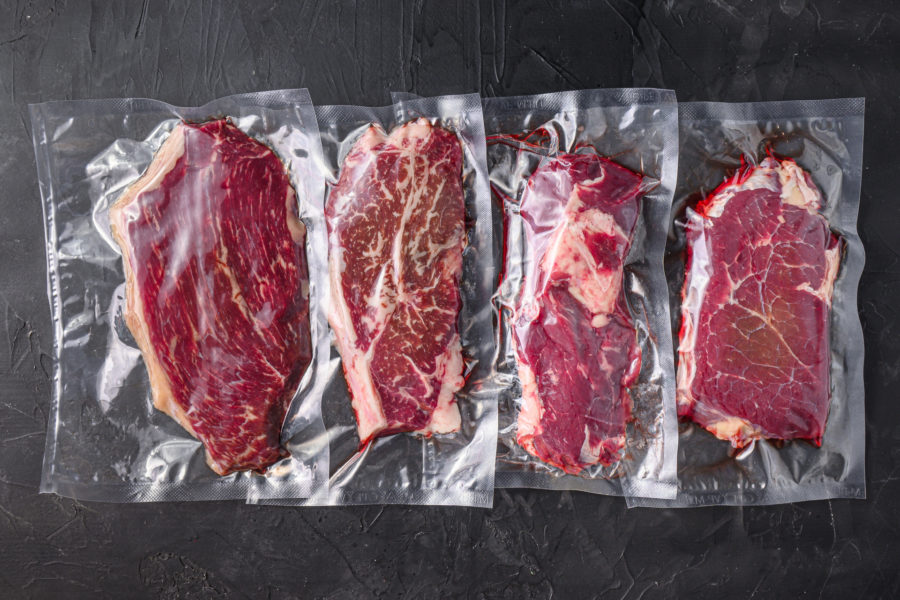
In our store, all products are vacuum-sealed.
We do not age meat ourselves — we use vacuum packaging to preserve its freshness and quality.
This helps to:
- prevent contact with air
- retain natural juiciness
- avoid drying
- extend shelf life
Vacuum packaging ensures the product stays fresh until cooking.
Conclusion
Meat aging is essential for quality.
Wet aging delivers the best balance of tenderness, juiciness, and consistency, while dry aging remains a niche option.
Our vacuum packaging guarantees that you receive meat in its best possible condition.