The History of Steak: From Ancient Times to the Present Day
The history of steak spans many centuries.
Tender meat with a crispy, caramelized crust has been enjoyed throughout history — only the cooking methods have changed. Today, we invite you to discover five of the most interesting facts from the history of steak.
The History of Steak: From Ancient Times to the Present Day
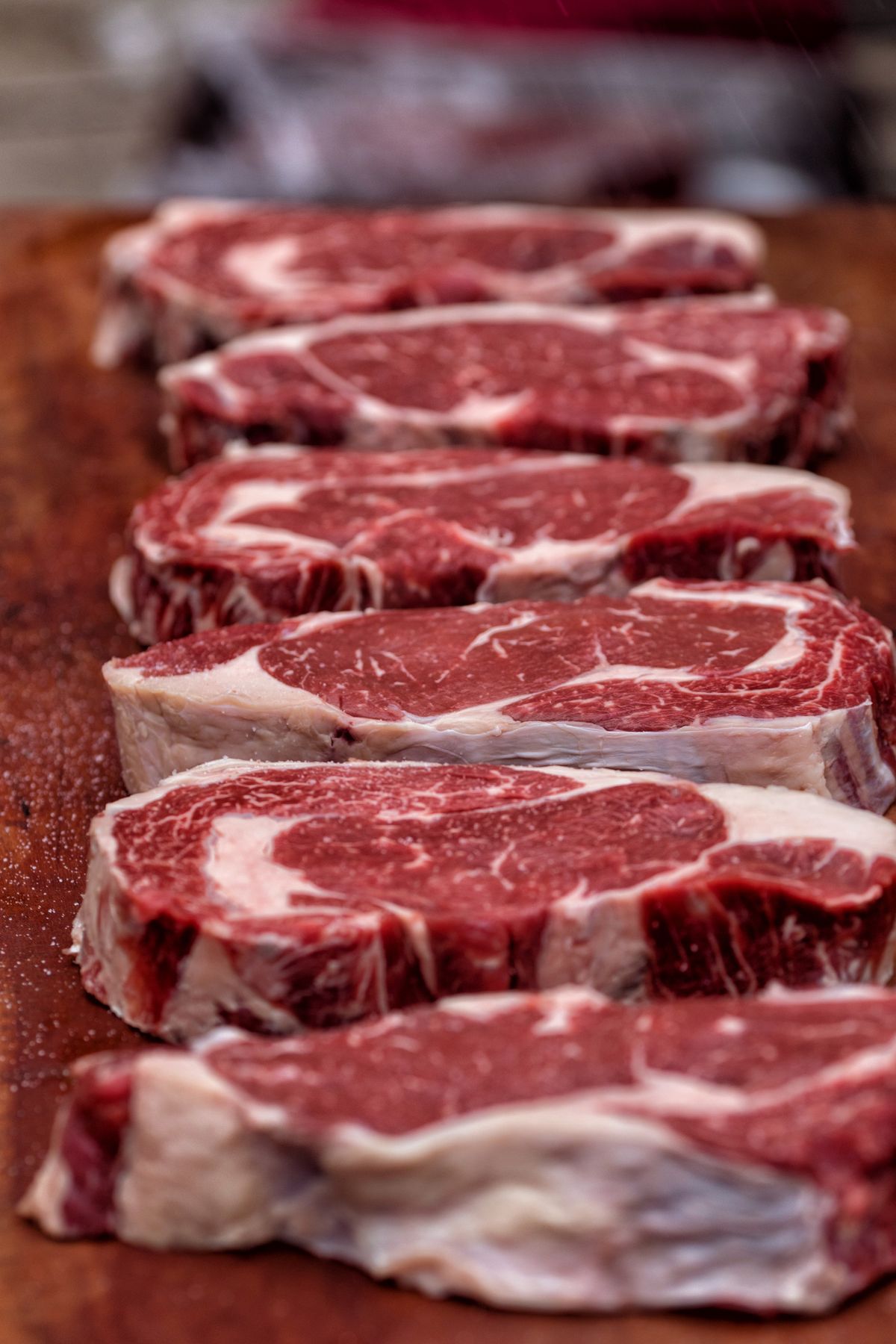
If you were to ask people what comes to mind when they hear the word steak, most would picture a fragrant cut of beef grilled over hot coals. This image may be a reflection of our collective memory. According to one theory, steak dates back to Ancient Rome.
At that time, steak was not considered food but rather part of sacrificial rituals. Legend has it that a temple servant accidentally dropped a piece of meat onto hot coals. As he tried to grab it, meat juices ran down his fingers. He tasted them — and was astonished by the flavour of beef seared over fire. Unable to resist, he picked up the meat and ate it. Perhaps this moment marked the very beginning of steak history.
Although steak is often associated with modern grilling culture, written records show that in 1460, Bartolomeo Platina described a dish called “beefsteak.” This helped introduce steak to Great Britain, where it soon became a beloved and prestigious dish. In England, the art of steak preparation developed rapidly, and a juicy beef steak was considered food for the elite.
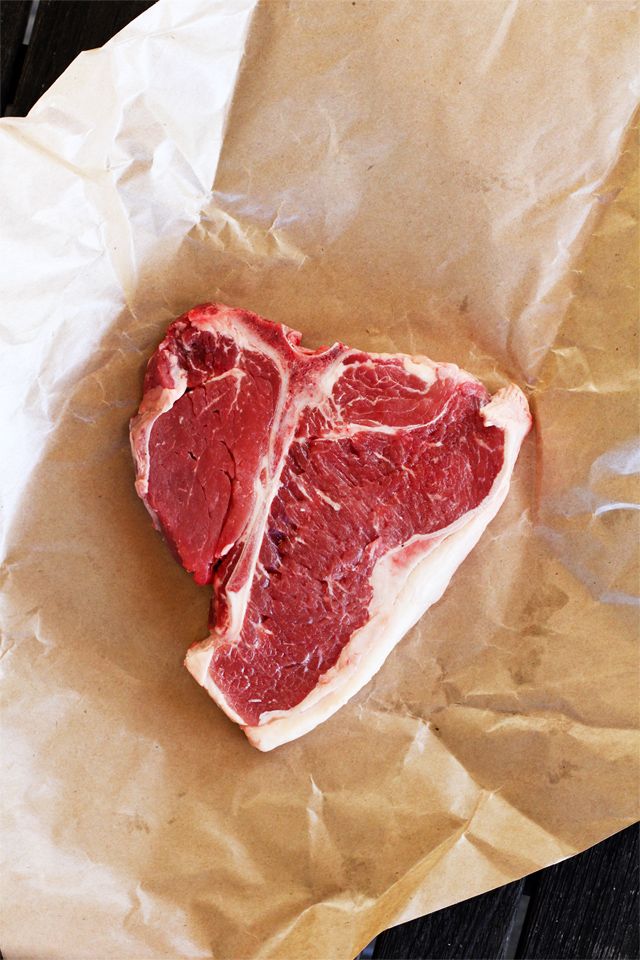
Historical accounts also mention a famous London steak club, founded in 1735 by a theatre director. Its members included aristocrats, artists, and members of noble families. One of the club’s signature dishes was the Club Steak — a cut from the thick end of the longissimus muscle with a small rib bone.
During the 18th and 19th centuries, steak spread across continental Europe, winning the hearts of gourmets in France, Germany, and other countries. European chefs introduced the world to iconic cuts such as Filet Mignon and Chateaubriand.
Later, steak crossed the Atlantic and found a special place in Canadian cuisine. Canadians quickly embraced juicy beef steaks, appreciating their rich flavour, simplicity, and connection to open-fire cooking. Over time, steak became a staple of Canadian grills, restaurants, and family gatherings.
The History of Steak: 5 Interesting Facts
The history of steak is full of fascinating details. Here are five of the most interesting facts:
1. There Are More Than Five Levels of Doneness
Most people are familiar with five doneness levels: Rare, Medium Rare, Medium, Medium Well, and Well Done. In reality, two more exist:
2. The World’s Most Expensive Beef Comes from Japan
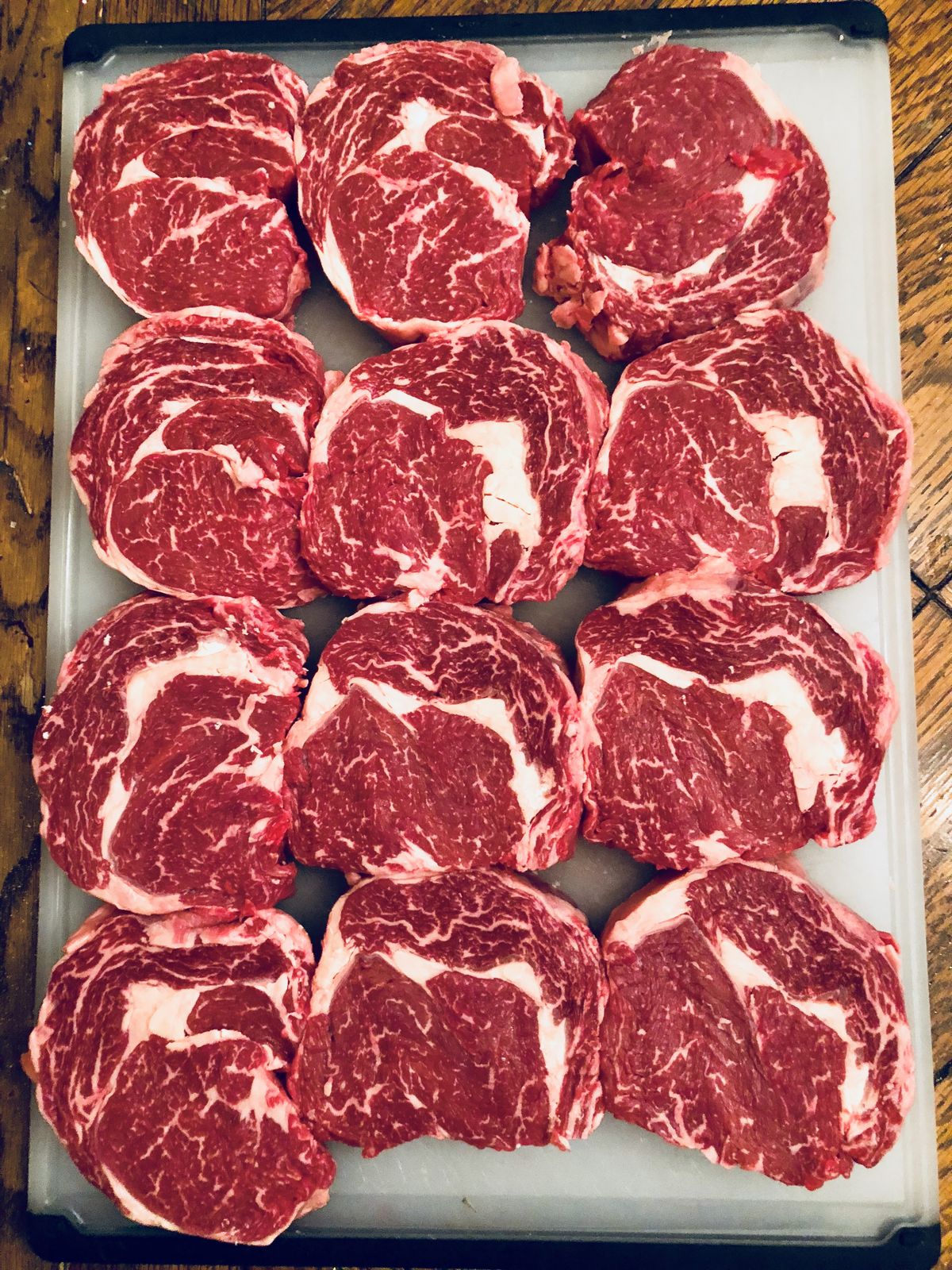
The finest marbled beef is Wagyu, originating from Japan. These cattle are raised under carefully controlled conditions, fed premium diets, and even given massages. The average price of Wagyu beef can reach $1,000 per kilogram.
3. The Perfect Crust Is Created by the Maillard Reaction
That signature crust and deep aroma come from the Maillard reaction — a chemical process that occurs when amino acids and sugars in beef interact at temperatures of around 110°C. To achieve this, the pan or grill must be very hot, and the steak should not be flipped too early.
4. Tougher Cuts Deliver a Richer Aroma
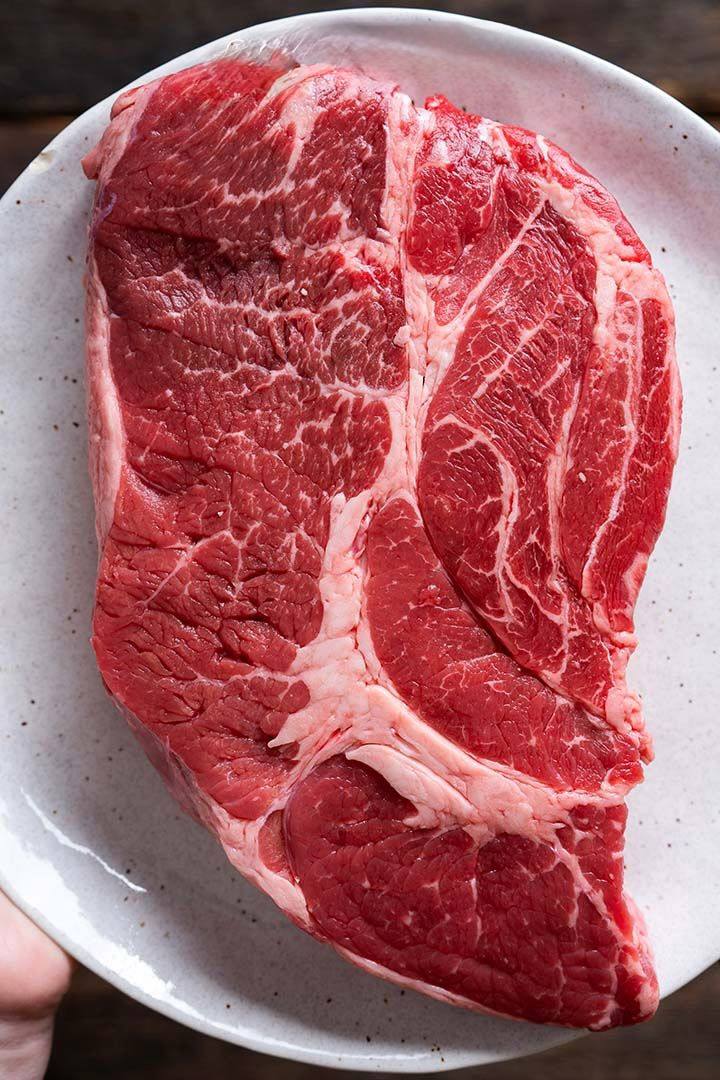
Cuts with firmer muscle fibres produce a deeper, more intense beef aroma. While tender cuts like Filet Mignon offer subtle flavours, alternative cuts reward diners with a bold and memorable taste.
5. Steak Is Part of Canadian Food Culture
In Canada, steak is closely tied to outdoor cooking, seasonal grilling, and shared meals. From backyard barbecues to premium steakhouses, Canadians value high-quality beef and respect traditional methods of preparation, making steak an enduring part of the national culinary identity.
The history of steak spans many centuries.
Tender meat with a crispy, caramelized crust has been enjoyed throughout history — only the cooking methods have changed. Today, we invite you to discover five of the most interesting facts from the history of steak.
The History of Steak: From Ancient Times to the Present Day
If you were to ask people what comes to mind when they hear the word steak, most would picture a fragrant cut of beef grilled over hot coals. This image may be a reflection of our collective memory. According to one theory, steak dates back to Ancient Rome.
At that time, steak was not considered food but rather part of sacrificial rituals. Legend has it that a temple servant accidentally dropped a piece of meat onto hot coals. As he tried to grab it, meat juices ran down his fingers. He tasted them — and was astonished by the flavour of beef seared over fire. Unable to resist, he picked up the meat and ate it. Perhaps this moment marked the very beginning of steak history.
Although steak is often associated with modern grilling culture, written records show that in 1460, Bartolomeo Platina described a dish called “beefsteak.” This helped introduce steak to Great Britain, where it soon became a beloved and prestigious dish. In England, the art of steak preparation developed rapidly, and a juicy beef steak was considered food for the elite.
Historical accounts also mention a famous London steak club, founded in 1735 by a theatre director. Its members included aristocrats, artists, and members of noble families. One of the club’s signature dishes was the Club Steak — a cut from the thick end of the longissimus muscle with a small rib bone.
During the 18th and 19th centuries, steak spread across continental Europe, winning the hearts of gourmets in France, Germany, and other countries. European chefs introduced the world to iconic cuts such as Filet Mignon and Chateaubriand.
Later, steak crossed the Atlantic and found a special place in Canadian cuisine. Canadians quickly embraced juicy beef steaks, appreciating their rich flavour, simplicity, and connection to open-fire cooking. Over time, steak became a staple of Canadian grills, restaurants, and family gatherings.
The History of Steak: 5 Interesting Facts
The history of steak is full of fascinating details. Here are five of the most interesting facts:
1. There Are More Than Five Levels of Doneness
Most people are familiar with five doneness levels: Rare, Medium Rare, Medium, Medium Well, and Well Done. In reality, two more exist:
- Blue — almost raw, cool meat with a lightly warmed outer layer
- Very Well — a heavily cooked, dry, and charred steak
- These extremes are rarely ordered.
2. The World’s Most Expensive Beef Comes from Japan
The finest marbled beef is Wagyu, originating from Japan. These cattle are raised under carefully controlled conditions, fed premium diets, and even given massages. The average price of Wagyu beef can reach $1,000 per kilogram.
3. The Perfect Crust Is Created by the Maillard Reaction
That signature crust and deep aroma come from the Maillard reaction — a chemical process that occurs when amino acids and sugars in beef interact at temperatures of around 110°C. To achieve this, the pan or grill must be very hot, and the steak should not be flipped too early.
4. Tougher Cuts Deliver a Richer Aroma
Cuts with firmer muscle fibres produce a deeper, more intense beef aroma. While tender cuts like Filet Mignon offer subtle flavours, alternative cuts reward diners with a bold and memorable taste.
5. Steak Is Part of Canadian Food Culture
In Canada, steak is closely tied to outdoor cooking, seasonal grilling, and shared meals. From backyard barbecues to premium steakhouses, Canadians value high-quality beef and respect traditional methods of preparation, making steak an enduring part of the national culinary identity.