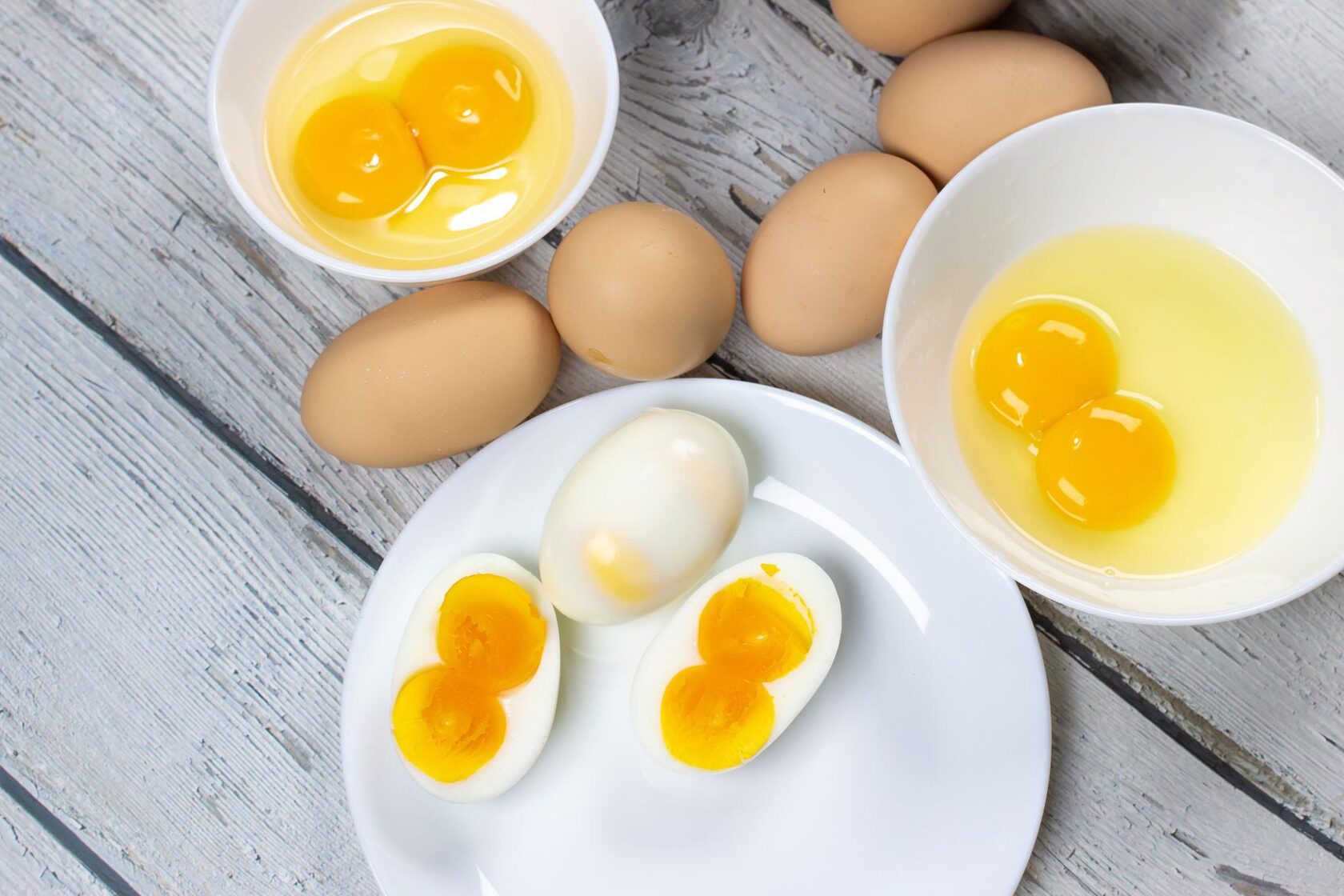
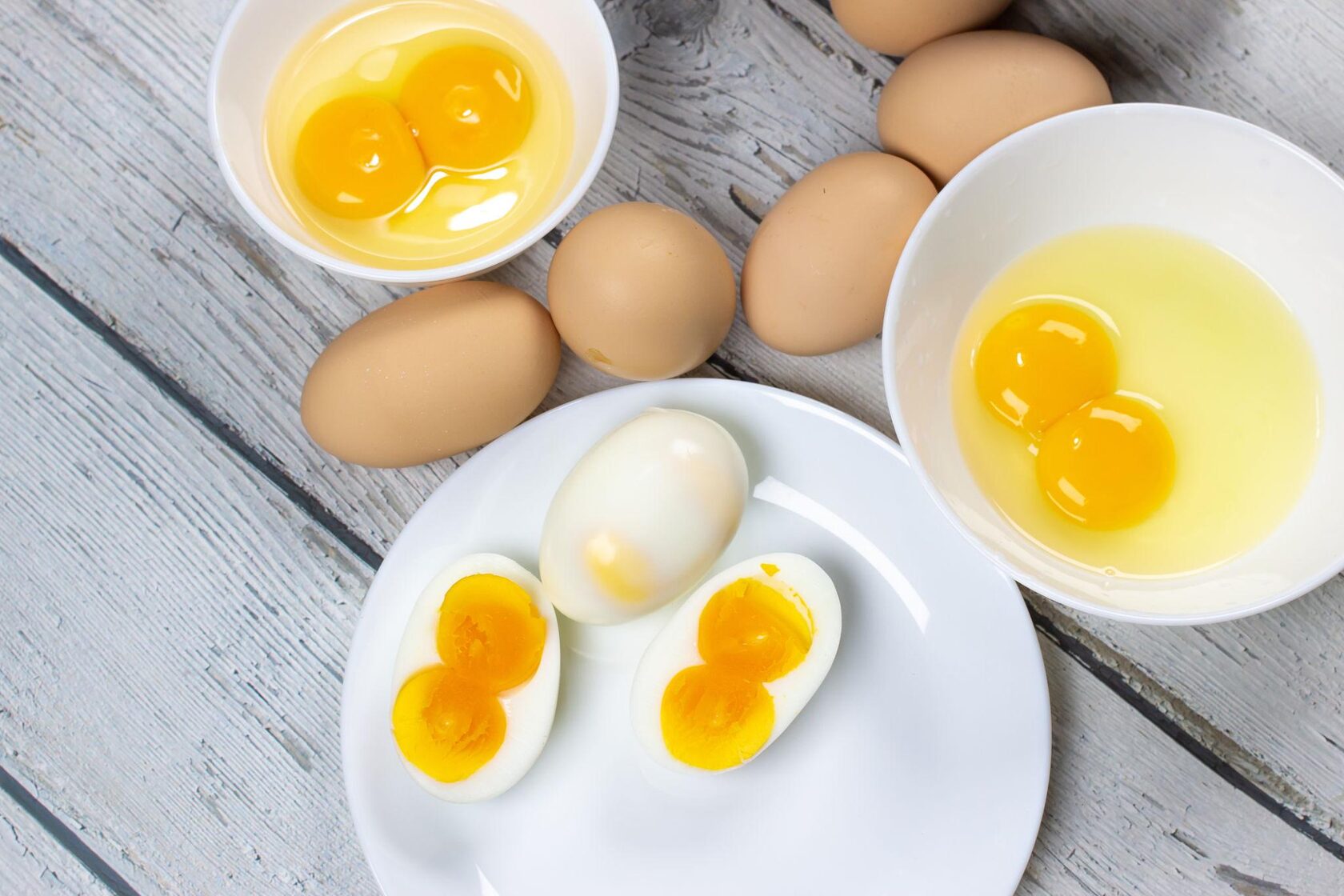
Have you ever cracked an egg and found two bright yellow yolks instead of one? It feels like a surprise — almost like you got a bonus. But why does this actually happen?
Let’s break it down 👇
🧬 The Science Behind Double-Yolk Eggs
A double-yolk egg forms when a hen releases two yolks at nearly the same time, and both travel through the reproductive system together, ending up inside a single shell.
This usually happens because of a slight “timing glitch” in the hen’s ovulation cycle.
🐔 When Does It Happen Most Often?
Double-yolk eggs are more common in:
In simple terms — it’s like the hen’s body pressing “release” twice instead of once.
🍀 Is It Rare?
Yes — but not extremely rare.
So if you find one, it’s a fun little surprise — but totally normal.
🥚 Are Double-Yolk Eggs Safe to Eat?
Absolutely.
Double-yolk eggs are:
The only thing to keep in mind:
👉 in baking, they can slightly change the texture because of the higher yolk ratio.
✨ Fun Fact
Some cultures believe that finding a double-yolk egg is a sign of:
Whether you believe it or not — it definitely makes breakfast more interesting 😉
🧡 Final Thoughts
A double-yolk egg isn’t a mistake — it’s just nature being a little unpredictable.
And honestly, that’s part of the charm of real, farm-fresh food.
Next time you crack an egg and see two yolks — enjoy the moment (and maybe take a photo 😉)
Let’s break it down 👇
🧬 The Science Behind Double-Yolk Eggs
A double-yolk egg forms when a hen releases two yolks at nearly the same time, and both travel through the reproductive system together, ending up inside a single shell.
This usually happens because of a slight “timing glitch” in the hen’s ovulation cycle.
🐔 When Does It Happen Most Often?
Double-yolk eggs are more common in:
- Young hens whose bodies are still adjusting to laying eggs
- Older hens nearing the end of their laying cycle
- Periods when the reproductive cycle is irregular
In simple terms — it’s like the hen’s body pressing “release” twice instead of once.
🍀 Is It Rare?
Yes — but not extremely rare.
- On average, about 1 in 1,000 eggs may contain two yolks
- They’re more common in farm-fresh or jumbo eggs
So if you find one, it’s a fun little surprise — but totally normal.
🥚 Are Double-Yolk Eggs Safe to Eat?
Absolutely.
Double-yolk eggs are:
- safe
- nutritious
- slightly richer (more yolk = more fat and protein)
The only thing to keep in mind:
👉 in baking, they can slightly change the texture because of the higher yolk ratio.
✨ Fun Fact
Some cultures believe that finding a double-yolk egg is a sign of:
- good luck
- prosperity
- or even new beginnings
Whether you believe it or not — it definitely makes breakfast more interesting 😉
🧡 Final Thoughts
A double-yolk egg isn’t a mistake — it’s just nature being a little unpredictable.
And honestly, that’s part of the charm of real, farm-fresh food.
Next time you crack an egg and see two yolks — enjoy the moment (and maybe take a photo 😉)