The Best Beef and Pork Cuts for Roasting: A Complete Guide
Looking for the best cuts of beef and pork for roasting? Choosing the right cut can make the difference between an average meal and a tender, juicy roast packed with flavor.
Few meals are as comforting and impressive as a perfectly roasted piece of meat. Whether you're preparing a family dinner, hosting guests, or planning a holiday feast, choosing the right cut makes all the difference. The ideal roasting cut should have a good balance of tenderness, structure, and marbling to stay juicy throughout cooking.
Why It's Important to Choose the Right Cut for Roasting
When preparing a roast, selecting the right cut of meat is essential. Roasting typically involves cooking meat slowly at a moderate temperature, which requires a cut that can remain tender and flavorful throughout the process. If the cut is too lean, too small, or irregularly shaped, the result may be dry, tough, and less enjoyable. On the other hand, moderate marbling helps retain moisture, enhances flavor, and keeps the meat tender even during long cooking times.
Looking for the best cuts of beef and pork for roasting? Choosing the right cut can make the difference between an average meal and a tender, juicy roast packed with flavor.
Few meals are as comforting and impressive as a perfectly roasted piece of meat. Whether you're preparing a family dinner, hosting guests, or planning a holiday feast, choosing the right cut makes all the difference. The ideal roasting cut should have a good balance of tenderness, structure, and marbling to stay juicy throughout cooking.
Why It's Important to Choose the Right Cut for Roasting
When preparing a roast, selecting the right cut of meat is essential. Roasting typically involves cooking meat slowly at a moderate temperature, which requires a cut that can remain tender and flavorful throughout the process. If the cut is too lean, too small, or irregularly shaped, the result may be dry, tough, and less enjoyable. On the other hand, moderate marbling helps retain moisture, enhances flavor, and keeps the meat tender even during long cooking times.
Best Beef Cuts for Roasting
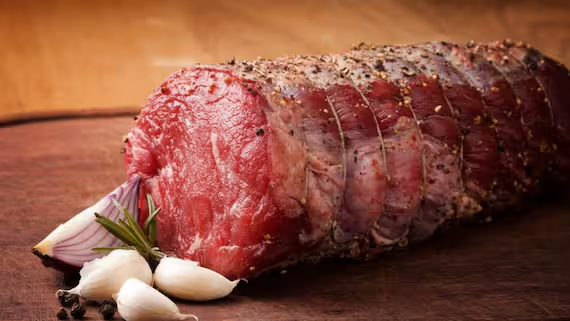
Sirloin
Sirloin is one of the most popular choices for roast beef. It offers excellent tenderness, fine texture, and rich beef flavor. Because it is naturally leaner than some premium cuts, it performs best when roasted to medium-rare or medium doneness.
Sirloin
Sirloin is one of the most popular choices for roast beef. It offers excellent tenderness, fine texture, and rich beef flavor. Because it is naturally leaner than some premium cuts, it performs best when roasted to medium-rare or medium doneness.
Rump Roast
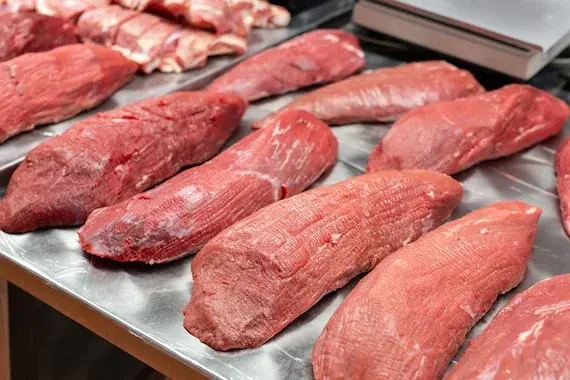
The rump comes from the rear section of the animal and is known for its firm texture and balanced flavor. It holds its shape well during cooking and produces beautiful, even slices, making it a favorite choice for traditional roast beef.
The rump comes from the rear section of the animal and is known for its firm texture and balanced flavor. It holds its shape well during cooking and produces beautiful, even slices, making it a favorite choice for traditional roast beef.
Round Roast
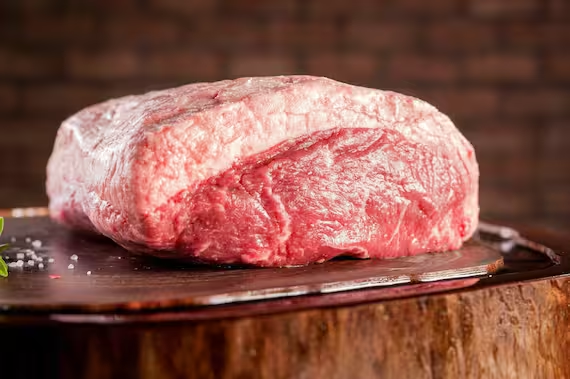
Round roast is a lean cut that creates neat slices and an elegant presentation. Since it contains less fat, it benefits from careful temperature control and is often served with gravy or pan sauce to maintain moisture.
Round roast is a lean cut that creates neat slices and an elegant presentation. Since it contains less fat, it benefits from careful temperature control and is often served with gravy or pan sauce to maintain moisture.
Hind Leg
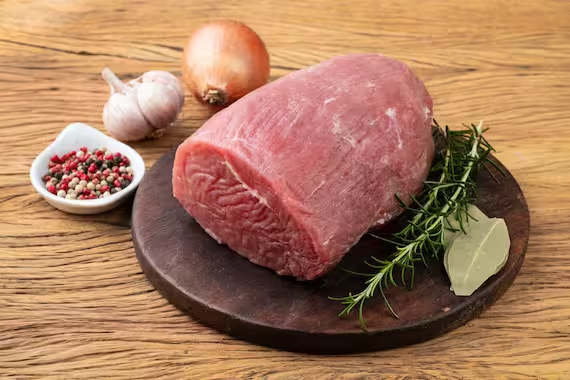
The hind leg also comes from the beef thigh and is one of the most commonly used cuts for roasts, braises, and other meat dishes that require long cooking times. It has short fibers, a tender texture, and a fairly regular shape, qualities that allow for compact yet tender slices. It's a versatile cut, well suited to both baking and casserole cooking.
The hind leg also comes from the beef thigh and is one of the most commonly used cuts for roasts, braises, and other meat dishes that require long cooking times. It has short fibers, a tender texture, and a fairly regular shape, qualities that allow for compact yet tender slices. It's a versatile cut, well suited to both baking and casserole cooking.
Beef Shoulder
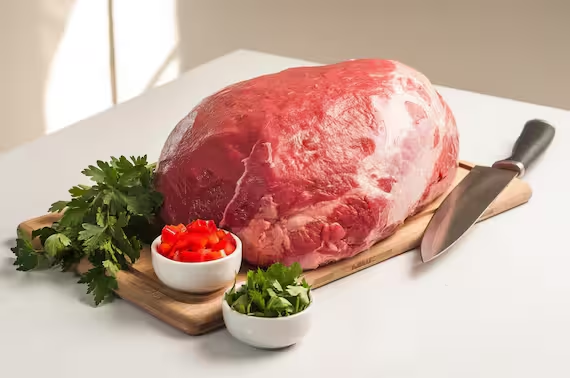
Among the cuts to consider for roasting is the shoulder, widely used in butchers for this type of preparation. It comes from the front of the cow and is prized for its compact structure, fairly lean but not excessively dry. It holds up well to cooking, remains uniform, and is often sold already tied, ready to be cooked in the oven or casserole.
Among the cuts to consider for roasting is the shoulder, widely used in butchers for this type of preparation. It comes from the front of the cow and is prized for its compact structure, fairly lean but not excessively dry. It holds up well to cooking, remains uniform, and is often sold already tied, ready to be cooked in the oven or casserole.
Best Pork Cuts for Roasting
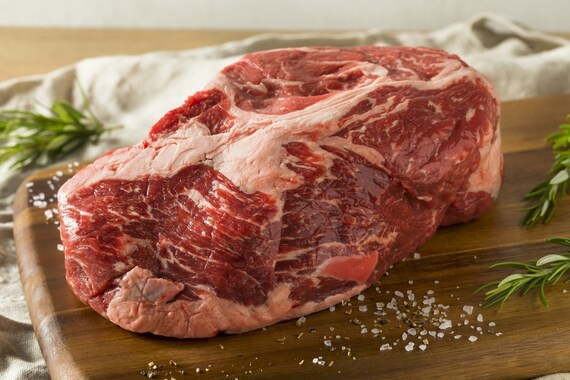
Pork is perfect for preparing particularly flavorful and succulent roasts, thanks to the meat's natural fat content. This characteristic makes it particularly suitable for long cooking, as it helps keep the meat tender and flavorful, often resulting in more rustic but very satisfying results. Here are the pork cuts best suited for roasting.
Pork is perfect for preparing particularly flavorful and succulent roasts, thanks to the meat's natural fat content. This characteristic makes it particularly suitable for long cooking, as it helps keep the meat tender and flavorful, often resulting in more rustic but very satisfying results. Here are the pork cuts best suited for roasting.
Pork Roast
Pork roast and loin both come from the pork loin: the former is generally the bone-in cut, while the latter is the same boneless muscle, easier to handle and slice after cooking. Pork roast is one of the most classic cuts for roast pork and comes from the animal's loin. It is generally the bone-in part, taken from the loin, characterized by a firm texture and a moderate amount of fat that helps keep the meat tender during cooking. It is the traditional cut in many regional recipes, often flavored with garlic, rosemary, and aromatic herbs.
Pork roast and loin both come from the pork loin: the former is generally the bone-in cut, while the latter is the same boneless muscle, easier to handle and slice after cooking. Pork roast is one of the most classic cuts for roast pork and comes from the animal's loin. It is generally the bone-in part, taken from the loin, characterized by a firm texture and a moderate amount of fat that helps keep the meat tender during cooking. It is the traditional cut in many regional recipes, often flavored with garlic, rosemary, and aromatic herbs.
Loin
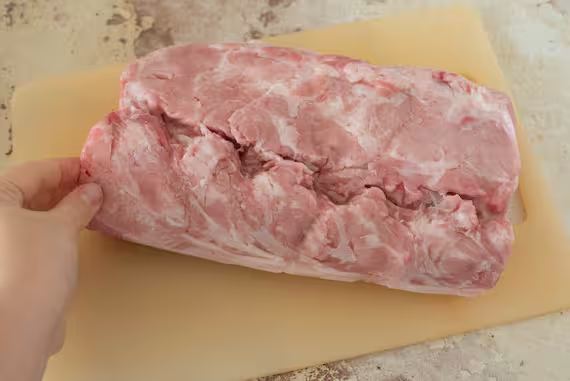
The loin, also called sirloin, comes from the same area as the pork roast, but is boneless. It has a regular shape and fairly lean meat, qualities that make it easy to cook whole and slice once ready. Because of its low fat content, it's best to cook it in a gravy or serve it with sauces and gravies to preserve its tenderness.
The loin, also called sirloin, comes from the same area as the pork roast, but is boneless. It has a regular shape and fairly lean meat, qualities that make it easy to cook whole and slice once ready. Because of its low fat content, it's best to cook it in a gravy or serve it with sauces and gravies to preserve its tenderness.
Pork Collar
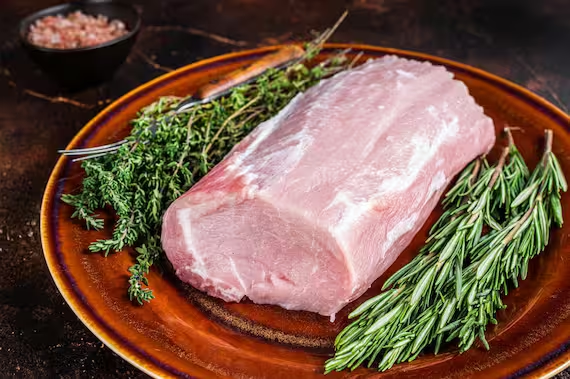
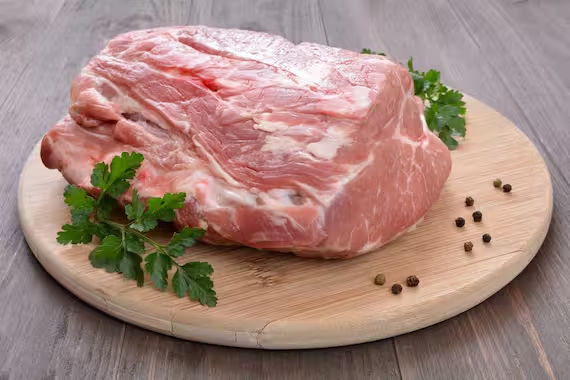
Pork сollar comes from the upper part of the neck and is characterized by good marbling, i.e., the presence of fat throughout the meat. This characteristic makes it particularly flavorful and tender even after prolonged cooking, making it an ideal choice for more rustic roasts, rich in flavor and soft in texture.
Pork сollar comes from the upper part of the neck and is characterized by good marbling, i.e., the presence of fat throughout the meat. This characteristic makes it particularly flavorful and tender even after prolonged cooking, making it an ideal choice for more rustic roasts, rich in flavor and soft in texture.
Tips for a Perfect Roast
Choose the Right Temperature
Different cuts benefit from different roasting temperatures. Tender cuts such as sirloin and pork loin generally perform best with moderate to high heat. Tougher cuts with more connective tissue, such as pork shoulder, benefit from lower temperatures and longer cooking times.
Let the Meat Rest
After roasting, allow the meat to rest for at least 10–20 minutes before slicing. Resting helps redistribute juices throughout the meat, resulting in a more tender and flavorful roast.
Use a Meat Thermometer
A thermometer is the most reliable way to achieve the perfect doneness. It helps prevent overcooking and ensures consistent results every time.
Final Thoughts
The secret to an unforgettable roast starts with selecting the right cut. For classic roast beef, choose sirloin, rump roast, round roast, or beef shoulder. For pork, loin, shoulder, and neck are excellent options that deliver outstanding flavor and tenderness. With proper preparation, seasoning, and cooking technique, any of these cuts can become the centerpiece of a memorable meal.
Choose the Right Temperature
Different cuts benefit from different roasting temperatures. Tender cuts such as sirloin and pork loin generally perform best with moderate to high heat. Tougher cuts with more connective tissue, such as pork shoulder, benefit from lower temperatures and longer cooking times.
Let the Meat Rest
After roasting, allow the meat to rest for at least 10–20 minutes before slicing. Resting helps redistribute juices throughout the meat, resulting in a more tender and flavorful roast.
Use a Meat Thermometer
A thermometer is the most reliable way to achieve the perfect doneness. It helps prevent overcooking and ensures consistent results every time.
Final Thoughts
The secret to an unforgettable roast starts with selecting the right cut. For classic roast beef, choose sirloin, rump roast, round roast, or beef shoulder. For pork, loin, shoulder, and neck are excellent options that deliver outstanding flavor and tenderness. With proper preparation, seasoning, and cooking technique, any of these cuts can become the centerpiece of a memorable meal.